What role do ventilators play.
Ventilators in windows are small devices mounted: in the frame, or in the sash, or in the glass (under the glass – under-glass, on the glass – over-glass) or on the window, whose main task is to provide a constant exchange of air in the room. Thanks to them, it is possible to ventilate without opening the windows, which helps maintain the right level of humidity and prevents the formation of mold.
Renson ventilators are a modern ventilation solution mounted: on the glazing package (model THM 90) or under the glazing package (model THM 90PB) and between the profiles in the frame (model THM 90TR).
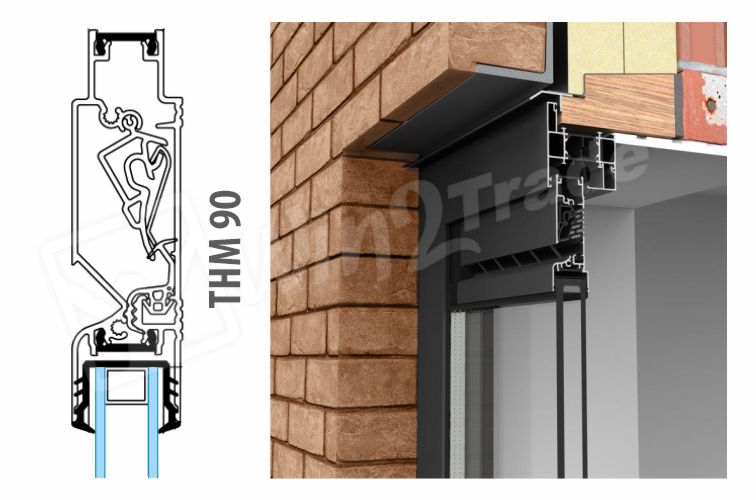 | 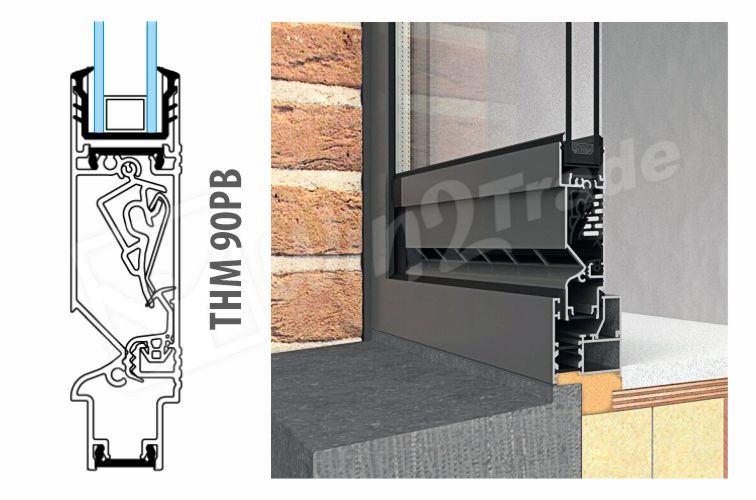 | 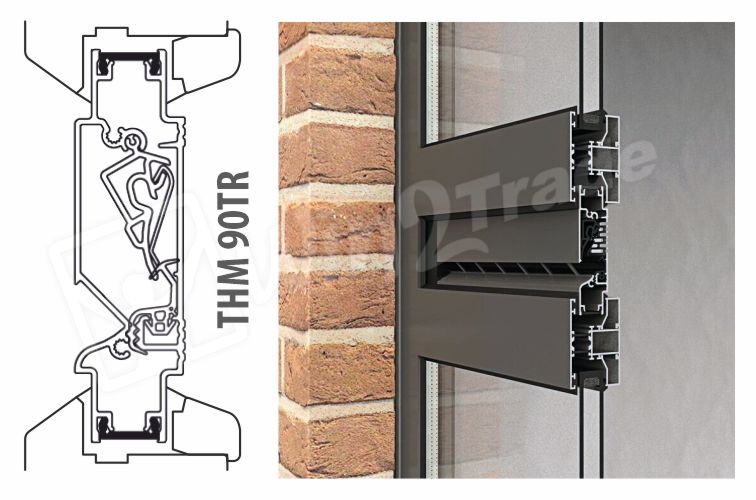 |
Ventilators are flat so that they flush the glazing package becoming part of the glass – they do not interfere with the construction of the window frame or sash. This method of installation means that they can be mounted to any window because they are part of the glazing package. Both models have a perforated inner profile acting as an insect screen. In addition, they have a thermal break thanks to which cold air does not penetrate directly into the interior.
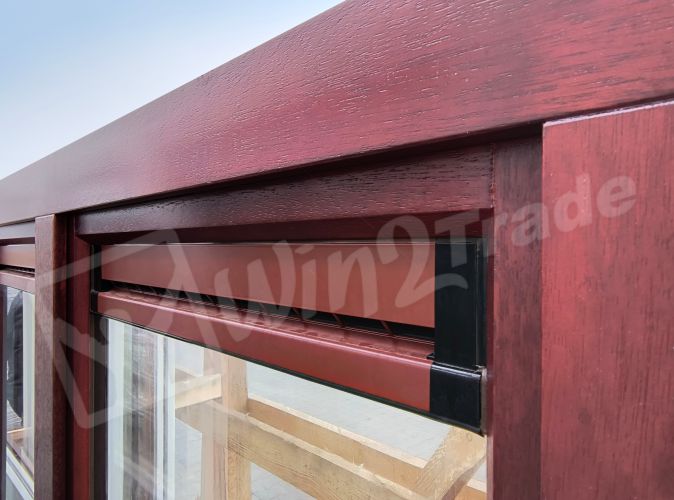 |  |
| THM 90 – view from the outside of the window | THM 90 – view from the inside of the window |
Renson THM 90 andTHM 90 PB ventilators are suitable for installation in any type of joinery: wood, wood-aluminum, PVC, aluminum.
Advantages (+):
+ high air flow capacity
+ ideal for fixed glazing (FIX)
+ durable, weather-resistant construction – powder-coated aluminum
+ adapted to different thickness of glass packages
+ colour matched to the colour of the joinery, can be painted in two colours
+ does not limit the opening range of the sash regardless of the window installation method
Disadvantages (–):
– reduces the light of the glass (up to 90mm – this is important for small windows. For large glazing it is almost irrelevant)
– the ventilators is in the colour of the joinery but the visible ends od the ventilators are black, you should consider whether this detail is important